On this page
- In Brief
- North Bali Investment Areas at a Glance
- Which Area Suits Which Strategy
- Lovina and the Central Coast: Proven Demand, Partly Priced In
- Pemuteran and the Northwest: A Loyal Diving Niche
- Munduk and the Highlands: Cool Land for a Long Hold
- Emerging Pockets: The Cheapest Land and the Least Certainty
- How to Choose Your Area, Step by Step
- Practical Notes
- FAQ
- Sources
In Brief
The best areas to invest in north Bali are Lovina and the central coast, Pemuteran and the northwest, and Munduk and the highlands. There is no single best place, because the right area depends on your strategy.
Lovina suits a buyer who wants rental income now. It is the established base of the north, with the most visitor infrastructure and the broadest rental demand.
Pemuteran is quieter and diving-led, with a loyal niche of guests who come back. Munduk and the highlands are cool and green, and they lean towards eco and wellness stays and a longer hold.
A handful of emerging pockets between the three are still a bet more than a plan. Pick the area before you pick the plot, because the area decides almost everything about how the property performs.
North Bali Investment Areas at a Glance
- The three areas: Lovina and the central coast, Pemuteran and the northwest, Munduk and the highlands
- Lovina, central coast: the established base, with the broadest and least seasonal demand in the north, infrastructure already built, and priced accordingly
- Pemuteran, northwest: a diving-led niche with loyal repeat guests, and a long drive from the airport
- Munduk, highlands: cool climate, eco and wellness builds, a season weighted to the cooler months, steeper access and harder building conditions
- Emerging pockets: the cheapest land and the highest uncertainty. Nobody can reliably call the next boom.
- How land is priced: plot by plot, in direct negotiation
- What you may build: set zone by zone in Buleleng's spatial plan
- What a foreigner can hold: the land rights and leases set out in Law No. 5 of 1960, explained in Bali property ownership
- Who checks the deal: an independent notary (notaris)
Northbound covers this coast from the ground. You will not find a price per are printed on this page. Land here is priced plot by plot, and any figure a guide prints is stale by the time it is read. This page shows you where to get the current one. The wider case for the region sits in the investing in north Bali guide.
Which Area Suits Which Strategy
The area follows the strategy, so be honest about which one you are running.
| Your strategy | Look at | What you get | What you give up |
|---|---|---|---|
| Rental income now | Lovina and the central coast | The broadest demand, the longest season and operating infrastructure already in place | Early pricing. Expect proven demand at pricing that reflects it. |
| A loyal niche and repeat guests | Pemuteran and the northwest | A diving-led, higher-spending visitor base that returns | Reach. The visitor base is narrower and the drive is longer. |
| Lifestyle and a long hold | Munduk and the highlands, or an emerging coastal pocket | Cheaper land and a build that suits retreat or wellness use | Pace. The season is slower, and this is a bet on the coast maturing, held with patience. |
The three areas come first below, starting at Lovina. Each one carries the same three notes, so you can compare them side by side.
Lovina and the Central Coast: Proven Demand, Partly Priced In
Lovina is where most people start, and for good reason.
It is the established base of the north coast. The dolphin tours are here, along with the black-sand beaches and a long-running cluster of restaurants, dive shops and accommodation. If north Bali has a centre of gravity, this is it.
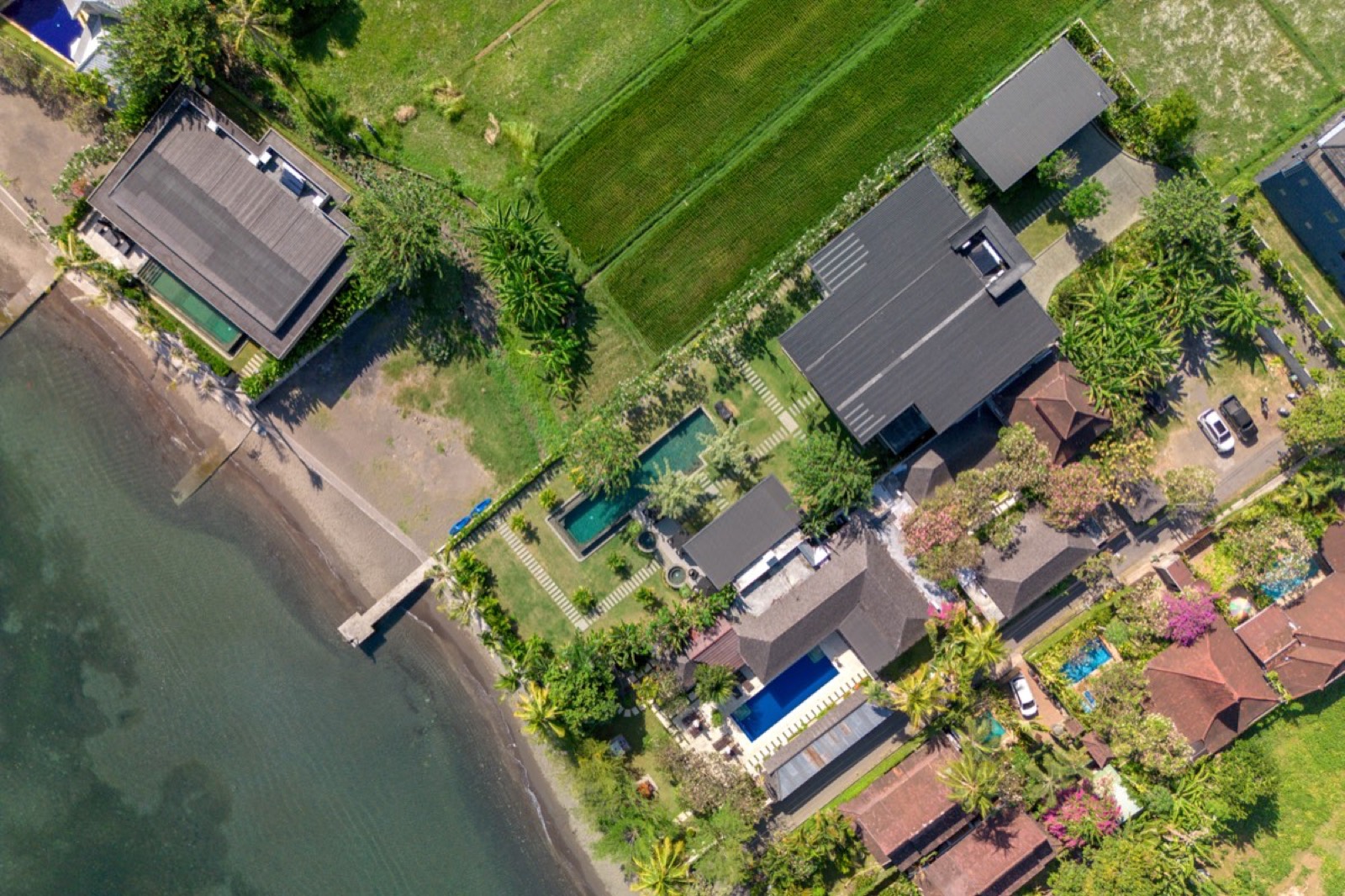
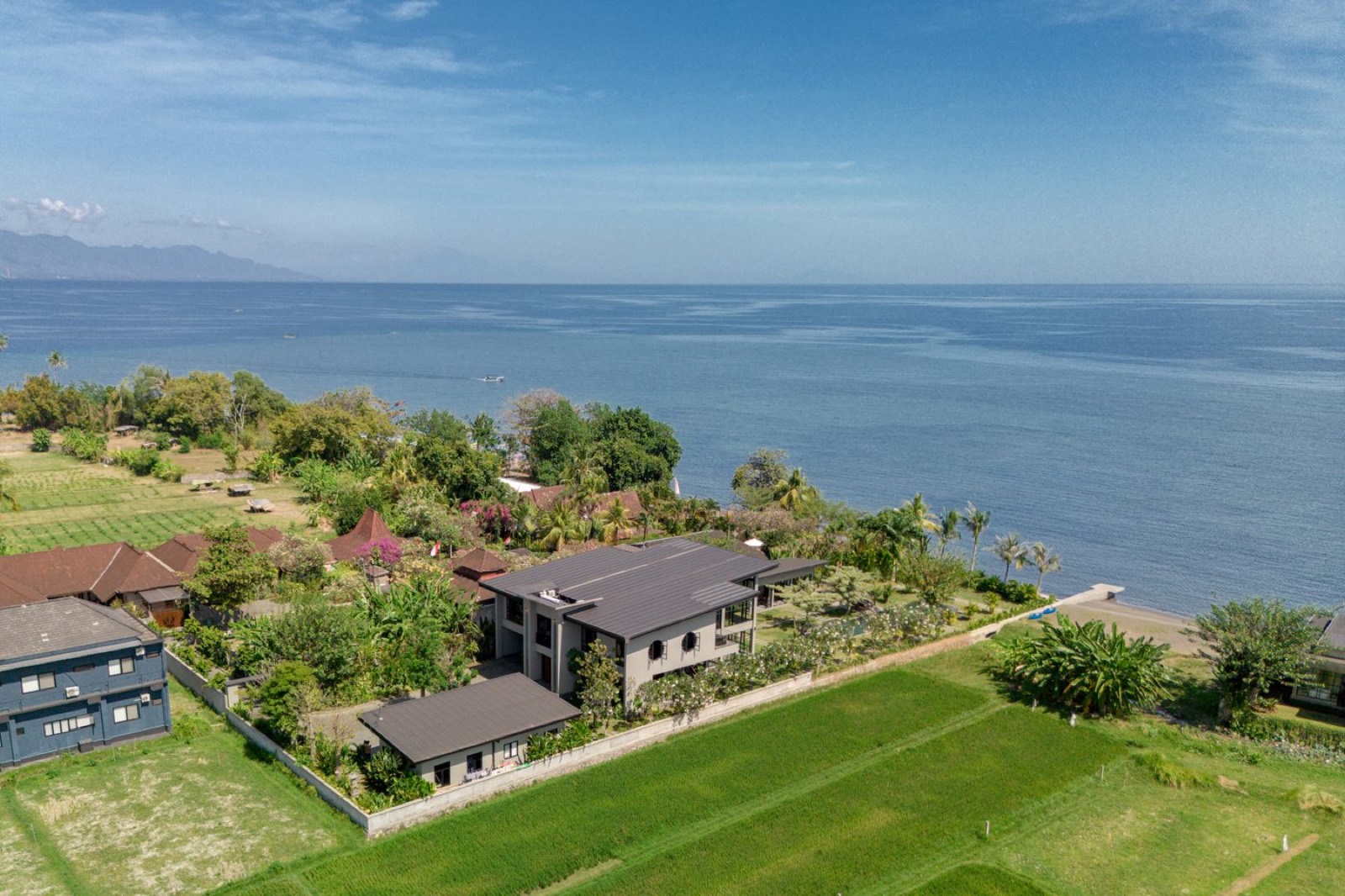 Beachfront plots and rice fields along the Lovina coast. Photo: Palm Living archive.
Why an investor looks here: maturity. Visitor demand is the broadest and least seasonal in the north, and the supporting infrastructure already exists. A well-run villa has an actual market to rent into, rather than a market you are betting will arrive. Staff, maintenance and guest logistics are all easier where the support is already built.
The trade-off: early-stage pricing is less early here than elsewhere on the coast. Lovina has had decades of slow development. The bargains that exist further west or up in the hills are harder to find on the central coast. You are buying proven demand, and part of that demand is already in the price.
Who it suits: a buyer with a rental-income strategy. For that, Lovina remains the most straightforward place to operate in the north.
The Lovina area guide gives the full picture of the town, its beaches and its day-to-day rhythm. Anyone weighing the north against the proven south should read the Lovina vs Canggu for investment breakdown before committing.
Pemuteran and the Northwest: A Loyal Diving Niche
Pemuteran sits in the far northwest, near the Menjangan marine park. It has built its name on one thing: the diving and snorkelling are among the best in Bali.
That single draw shapes the whole investment case. Guests come for the reef and tend to be older and higher-spending. A meaningful share of them come back year after year.
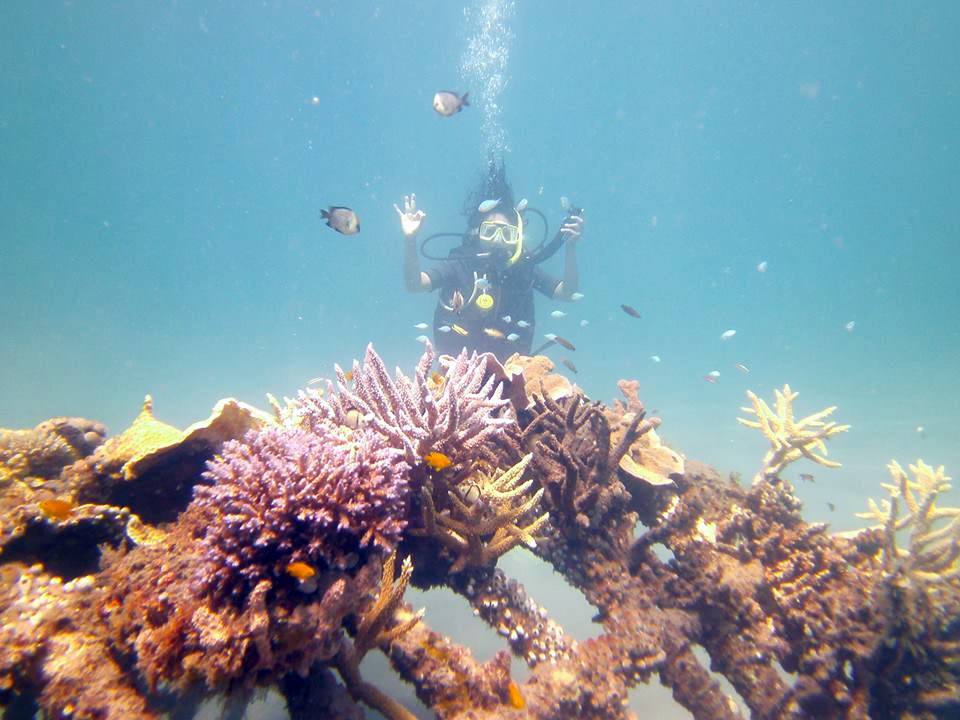 A diver above the coral growing on a reef frame off Pemuteran, the draw behind the northwest's loyal visitor base. Photo: Ennio morricone / Wikimedia Commons (CC BY-SA 3.0)
Why an investor looks here: loyalty. A diving-led visitor is less price-sensitive and more repeat-driven than a party traveller, which can make a well-positioned property resilient.
The area is quiet and the development light. The community is small enough for a villa with real character to stand out, where it might otherwise disappear into a row of identical builds.
The trade-off: reach. Pemuteran is a long drive from the airport and from Lovina, and the visitor base is narrower. Demand concentrates around the diving season and the people who already know the area.
Who it suits: an owner who understands the diving niche and serves it, more than one chasing volume. The Pemuteran guide covers the area in full: its reef, its village rhythm and what the diving involves.
Munduk and the Highlands: Cool Land for a Long Hold
Munduk and the surrounding highlands are a different Bali altogether.
The climate is cool, sometimes cold at night, and the landscape is waterfalls, lakes and terraced hills. The guest who comes here is looking for quiet, nature and a slower pace. This is the eco and wellness end of the north, and the build reflects it.
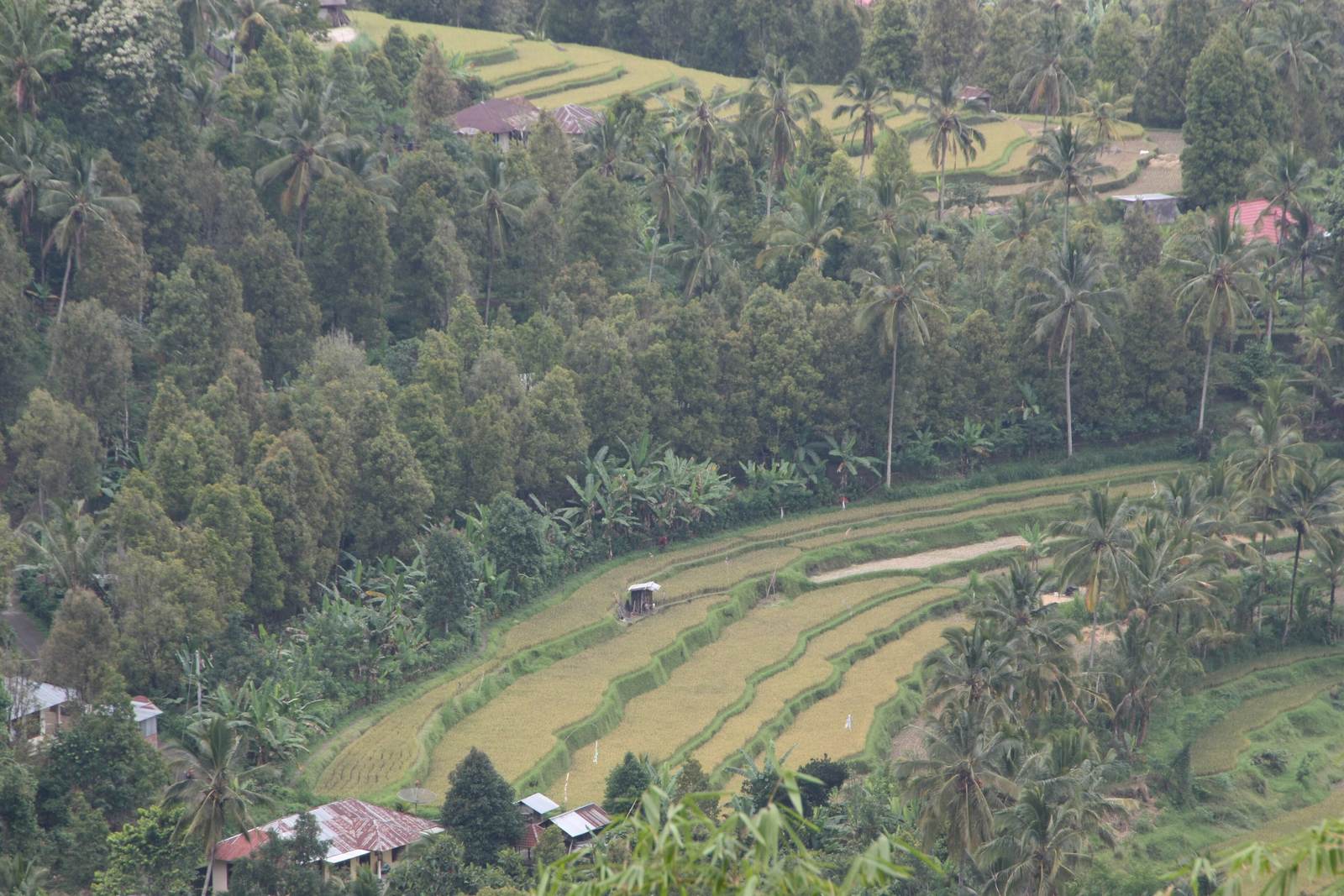 Rice terraces in the Munduk highlands, the cool farmland this section is about. Photo: Sententiosus / Wikimedia Commons (CC BY-SA 4.0)
Why an investor looks here: land away from the coast tends to be cheaper, and the setting lends itself to retreat-style and wellness-leaning concepts. Long-stay guests have a real appetite for somewhere green and cool. A thoughtful eco-build or a small retreat property has a clear audience here.
The trade-off: the constraints are practical, and worth naming.
- The season skews toward the cooler, drier months.
- Access roads in the hills can be steep and slow.
- A highland build has to handle damp and drainage.
- Materials have to be brought up the mountain.
Who it suits: a buyer after a lifestyle property and a long hold, more than a high-turnover rental engine. The Munduk guide lays out what the area offers, season by season.
Emerging Pockets: The Cheapest Land and the Least Certainty
Beyond the three established areas, stretches of coast between them are starting to attract attention.
Land in these in-between stretches is the cheapest on the north coast, and the upside of buying before an area establishes itself is real. These pockets are still a genuine bet. Some will mature into the next Lovina, and others will stay quiet for another decade.
The shortcut to avoid is buying on a "next hotspot" promise. The promise is tempting because the land is cheap and the upside exists. Nobody can say honestly which specific pocket booms next, or when. Treat any claim that a stretch is "the next hotspot", with a percentage attached, as marketing until you have seen the ground and the numbers yourself.
What to do instead. Approach an emerging area with patience and a long timeline. Buy because the land and the lease make sense on their own terms today, not because someone promised you a wave. If the area matures, that is upside. If it stays quiet, you still need to be comfortable with what you bought.
Prices in these pockets are set plot by plot in direct negotiation. The current numbers worth trusting come from someone who buys and manages here, not from a listing site.
How to Choose Your Area, Step by Step
-
Decide what the property has to do. Write down whether it has to pay for itself from year one, or whether you can hold it through a thinner market. That single answer points you to the area faster than any listing will.
-
Match the answer to an area. Rental income now points to Lovina, a loyal niche to Pemuteran, and a long hold to Munduk or an emerging pocket. The area-by-area land picture that feeds the decision is in land prices in north Bali.
-
Walk the area before you weigh a listing. The guide to each base is linked in its section above.
-
Check the zoning on the plot. Buleleng's own spatial plan for 2024 to 2044 (regency regulation No. 4 of 2024) sets what each zone may be used for and how densely it may be built. Each zone carries its own limits on building coverage and height, from tourism areas to farmland and the land around temples. The regency's legal portal publishes the plan in full. Confirm your intended use is permitted on that plot before anything else.
-
Engage an independent notary (notaris). Check the certificate and the zoning yourself, and get every lease term in writing before money moves. Leasehold versus freehold explains the structures, and Bali property ownership the legal basis.
Practical Notes
See each area's listings. Palm Living's villas and houses for sale, most of them around Lovina, and its land across north Bali are listed here on Northbound.
Each of the three areas has a real investment case. With your strategy clear, the zoning confirmed and the lease terms in writing, you are choosing between them on solid ground.
FAQ
Where is the best place to invest in north Bali? There is no single best place. The right area depends on the strategy. Lovina and the central coast suit a buyer who wants rental income now, with the broadest demand and the most infrastructure. Pemuteran fits an owner serving a loyal diving niche. Munduk and the highlands suit a lifestyle property and a longer hold. Match the area to the goal before comparing plots.
Is Lovina a good place to buy property? For rental income in the north, it is the most straightforward choice. Lovina is the established base of the coast, with dolphins, black-sand beaches, and a deep pool of restaurants, dive operators and accommodation. Demand is broader and less seasonal than elsewhere in the north, though early-stage pricing is less pronounced because the area has had decades to develop.
Is Pemuteran worth investing in? For the right owner, yes. Pemuteran draws a diving-led, higher-spending visitor who tends to return, which can make a well-run property resilient. The trade-off is reach: it is a long drive from the airport, the visitor base is narrower, and demand concentrates around the diving and the people who already know the area. It rewards a niche operator more than a volume play.
Do I need to check zoning before buying land in north Bali? Yes, before anything else. Buleleng's spatial plan sets what may be built where and how densely. Each zone, from tourism areas to farmland and the land around temples, carries its own limits on building coverage and height. A plot that is cheap because it cannot carry the villa you have in mind is not cheap. Your notary checks it, and you check that they have.
What is the next area to boom in Bali? Anyone who tells you with certainty is selling something. The emerging pockets along the north coast have the cheapest land and real upside, but which one matures next, and when, is genuinely uncertain. Buy in an emerging area because the land and lease make sense on their own terms today, on a long timeline, not because of a promised wave.
Is north Bali a good long-term investment? It suits a buyer entering at early-stage prices with realistic, north-coast expectations and a longer hold, rather than one chasing the proven high-occupancy yields of the south. The entry is lower and the competition lighter. The trade-off is thinner, more seasonal demand and a less liquid resale market. The full case, with both sides, is in the investing in north Bali guide.
Sources
- Buleleng Regency legal documentation portal (JDIH Buleleng), Peraturan Daerah Kabupaten Buleleng No. 4 of 2024 on the regency spatial plan for 2024 to 2044, for zoning, permitted uses and building limits, read September 2026 (in Indonesian)
- JDIH BPK (Audit Board of Indonesia legal database), Law No. 5 of 1960 on Basic Agrarian Principles, on the land rights and leases open to foreigners (Articles 21, 26, 44 and 45), read September 2026 (in Indonesian)
Next: land prices in north Bali, why invest in north Bali, and Lovina compared with Canggu.