On this page
- In Brief
- The Second Home Visa at a Glance
- The Second Home Visa Is E33, a Long Stay Without a Sponsor
- The Second Home Family Has Seven Other Versions
- Who Qualifies: Anyone Who Can Meet the Immigration Guarantee
- The Property Route Names an Apartment
- The Documents You Upload
- How to Apply on the eVisa Portal, Step by Step
- The Term Is Five Years, Up to Ten in Total
- What the Second Home Visa Does Not Allow
- How It Fits a Life in North Bali
- Practical Notes
- FAQ
- Sources
In Brief
The second home visa for Bali is the E33 visa, a limited-stay visa for foreigners who want to live in Indonesia without a sponsor. You apply online on the official eVisa portal. The first stay permit runs for up to five years and can be extended, up to ten years in total.
In place of a sponsor, you give an immigration guarantee. Within 90 days of arriving, you show either savings in your own account at a state-owned bank or an apartment you own in Indonesia. Each must meet a minimum value set on the official page.
The visa is for living here. Work or study needs a separate report of the extra activity to the immigration office, and selling goods or services is barred.
A guide, not legal advice. Immigration rules change by regulation and decree, so check your own case with the immigration office or a lawyer who knows Indonesian immigration law. For current information, talk to Palm Living's team on WhatsApp. They have worked with buyers and land owners in north Bali for over 24 years.
The Second Home Visa at a Glance
- Official name: Visa Rumah Kedua, index E33, a limited-stay visa (visa tinggal terbatas)
- Sponsor: None needed
- First stay: Up to five years, extendable, with a total of no more than ten years
- The guarantee: Savings at a state-owned bank or an apartment in Indonesia, proven within 90 days
- Where to apply: The official eVisa portal, evisa.imigrasi.go.id
- Processing: Four working days after payment, according to the official page
- Using the visa: Enter Indonesia within 90 days of issue
- Work: Only after reporting it as an extra activity, and no selling of goods or services
- Fees and minimum amounts: On the official E33 page, which is kept current
The Second Home Visa Is E33, a Long Stay Without a Sponsor
Indonesia's immigration directorate files E33 under "Visa Rumah Kedua", the second home visas, on its list of Indonesian visas.
The E33 page says the visa is for foreigners who want to live and settle in Indonesia without a sponsor, either a person or a company. The condition is an immigration guarantee (jaminan keimigrasian).
With it you can travel, shop and visit family and friends. You can bring your family to live with you, as long as they meet the immigration rules. While your stay permit is valid, you can leave and come back without a new visa.
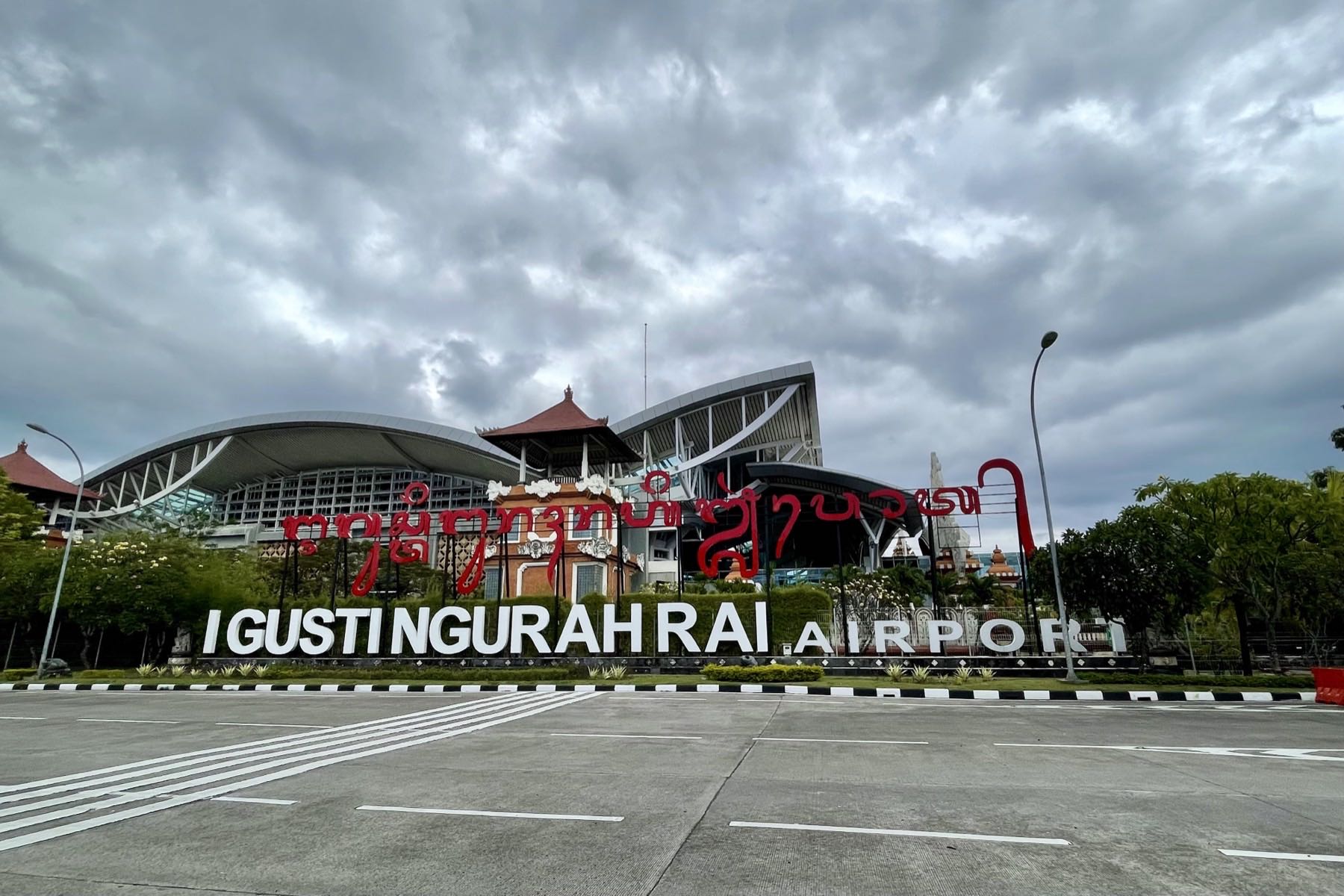 The welcome sign at I Gusti Ngurah Rai Airport in Bali, where a second home visa holder's stay permit is issued on arrival. Photo: Softwarestatistik / Wikimedia Commons (CC BY-SA 4.0)
The directorate launched the second home visa at an event in Bali on 25 October 2022, under circular IMI-0740.GR.01.01. The acting director general said the aim was to draw foreign visitors to Bali and other destinations. The requirements have changed since. The E33 page now cites the 2023 ministerial regulation on visas and stay permits, as amended in 2024, and a 2025 decree on visa classes.
The Second Home Family Has Seven Other Versions
The same heading on the visa list holds seven variants. Each has its own page and conditions:
- E33A: experts invited by the government, with the central government as sponsor
- E33B: people with special skills working with the government, no sponsor
- E33C: prominent figures invited by the government
- E33D: prominent figures setting up a company, with no details yet on its page
- E33E: applicants aged 55 or over, for up to five years
- E33F: older applicants, for one year
- E33G: remote workers who work for a company outside Indonesia
The two retirement versions are covered in retiring in north Bali. The remote-worker version is in the digital nomad guide to north Bali. The rest of this page covers E33 itself.
Who Qualifies: Anyone Who Can Meet the Immigration Guarantee
E33 asks for no sponsor, and its page names no age requirement. What qualifies you is the guarantee.
When you apply, you sign a statement committing to one of two things. Within 90 days of entering Indonesia, you report proof of it to the immigration office that issued your stay permit:
-
Savings. Funds in an account in your own name at a state-owned bank, of at least the amount on the E33 page.
-
Property. An apartment or strata-title unit (rumah susun) in Indonesia, worth at least the amount on the same page.
The guarantee is kept for as long as your stay permit runs. The page says its value must stay at no less than your committed amount.
The eVisa portal's English summary of the requirements lists the same two options and the 90-day deadline.
The Property Route Names an Apartment
The official E33 page names one kind of property for the guarantee: an apartment or a strata-title unit.
A villa or a house on its own land is not named. If your property in Bali is a villa, the savings route is the one the page offers. Ask the immigration office before you count a villa purchase toward the visa.
Owning a home in Bali runs on a separate set of land rules. A stay permit is one of the immigration documents those rules list for a foreigner who owns a home on a right of use. Hak Pakai in Bali explains how that title works, and leasehold vs freehold in Bali covers the lease.
The Documents You Upload
The E33 page lists the files to upload as PDF or JPEG:
- a passport valid for at least six more months
- a personal bank statement for the last three months, with a minimum balance set on the page
- a recent colour photograph, taken within the last year
- a CV
- your travel history and your itinerary
You add the signed commitment for the guarantee. The fee is shown on the E33 page, paid by a billing code the system gives you after you apply. It is not refunded if your application is turned down.
How to Apply on the eVisa Portal, Step by Step
The whole application runs online, on the official eVisa portal.
-
Open an account. Register on evisa.imigrasi.go.id before you apply.
-
File the application. Choose the second home visa, upload the documents and the signed commitment, and submit.
-
Pay the fee. Pay through one of the appointed banks, using the billing code shown after you submit.
-
Wait for the decision. Immigration checks the file, verifies the payment and approves the visa. The page puts this at four working days after payment.
-
Travel within 90 days. The visa expires 90 days after it is issued if you have not used it.
-
Arrive. Your stay permit (ITAS) and re-entry permit are issued automatically at the immigration checkpoint. A physical stay-permit card is also available at the immigration office, according to the eVisa portal.
-
Report the guarantee. Within 90 days of entry, take proof of the savings or the apartment to the immigration office that issued your permit.
In north Bali, the immigration office is Kantor Imigrasi Singaraja, on the Seririt to Singaraja road at Pemaron. It serves Buleleng, Jembrana and Karangasem. Ask there where your report goes if you live on the north coast.
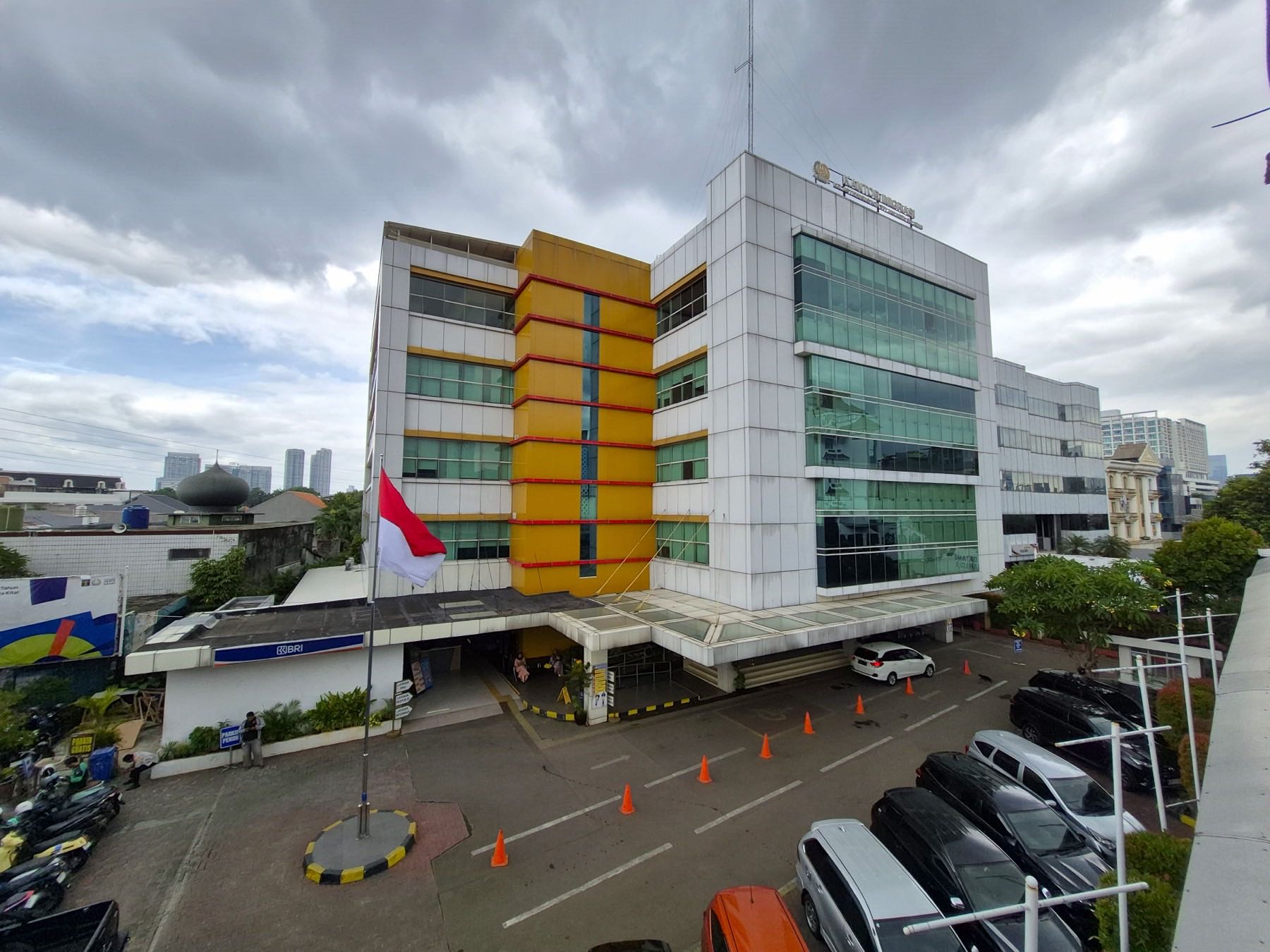 The immigration office of South Jakarta, photographed in December 2024. In north Bali the office is in Singaraja. Photo: Medelam / Wikimedia Commons (CC BY-SA 4.0)
The Term Is Five Years, Up to Ten in Total
The first stay permit runs for up to five years.
You can extend it online through the eVisa portal. The total of your stay permits in Indonesia cannot pass ten years. The permit can also be converted into another type of stay permit.
Apply for an extension before your permit runs out. A late application can turn into an overstay, which the Bali visa guide explains.
What the Second Home Visa Does Not Allow
E33 is a visa for living in Indonesia. The page sets three limits:
- no staying past the end of your stay permit
- no work outside what your permit allows
- no selling of goods or services, except where your work requires it
Work, study or another activity is possible only after you report it as an extra activity (rangkap kegiatan). The report goes to the immigration office that issued your stay permit. The eVisa summary puts it as work "if eligible", meeting the conditions for more than one activity on a permit.
The eVisa portal warns of the penalties for breaking visa conditions. They include fines, deportation and other legal charges.
How It Fits a Life in North Bali
The second home visa gives you the time to settle, and the rest is practical.
Palm Living offers long-term rentals around Lovina for a first year on the coast. Moving to north Bali covers the move, and BPJS for foreigners covers health cover for people living here.
Practical Notes
- Read the official page on the day you apply. The minimum amounts and the fee sit on the E33 page.
- Check your passport. It needs at least six months of validity left.
- Choose your guarantee before you file. The commitment you sign is the one you prove within 90 days.
- Keep the savings in place. The guarantee holds for the life of your permit.
- Mark two dates. Use the visa within 90 days of issue, and report the guarantee within 90 days of entry.
- Plan any work first. Report it as an extra activity before you start.
FAQ
What is the second home visa in Bali? It is Indonesia's E33 visa, a limited-stay visa for foreigners who want to live in the country without a sponsor. It covers all of Indonesia, Bali included. The first stay permit runs for up to five years, extendable to a total of ten.
Can I get a second home visa by owning property in Bali? The official E33 page accepts one kind of property for the guarantee: an apartment or strata-title unit in Indonesia, above the value the page sets. A villa or house is not named. The other route is savings in your own account at a state-owned bank.
How long is the second home visa valid? The visa must be used within 90 days of issue. The stay permit it leads to runs for up to five years. It can be extended, with a total stay of no more than ten years.
Can I work on a second home visa? Only after reporting the work as an extra activity to the immigration office that issued your stay permit. Selling goods or services is not allowed, except where your work requires it.
How do I apply for the second home visa? Online, on the official eVisa portal at evisa.imigrasi.go.id. You upload your passport, a three-month bank statement, a photo, a CV, your travel itinerary and the signed guarantee commitment, then pay the fee by billing code.
Is the second home visa the same as the retirement visa? They share a family. The retirement versions, E33E and E33F, are for older applicants and have their own terms, including proof of income. E33 itself names no age requirement.
Sources
- Directorate General of Immigration, E33 second home visa (purpose, no sponsor, permitted and barred activities, five-year first stay within ten years, documents, the guarantee and its 90-day deadline, four working days, legal basis), read October 2026 (in Indonesian)
- Directorate General of Immigration, List of Indonesian visas (the second home heading, E33 to E33G) and the pages for E33A, E33B, E33C, E33D and E33E, read October 2026 (in Indonesian)
- Directorate General of Immigration, eVisa portal and its English summary of the second home visa requirements (guarantee options, e-ITAS on arrival, physical card, work through multiple activities, penalties), read October 2026 (in English)
- Directorate General of Immigration, press release on the launch of the second home visa, 25 October 2022, read October 2026 (in Indonesian)
- Kantor Imigrasi Kelas II TPI Singaraja, work area and address, read October 2026 (in Indonesian)
- Palm Living, long-term rent, read October 2026 (in English)
Read next: the Bali visa guide, Hak Pakai in Bali and retiring in north Bali.