On this page
- In Brief
- Pura Pulaki at a Glance
- A Sea Temple Built Against a Black Cliff
- Its Story Follows the Priest Nirartha
- Hundreds of Macaques Live Around the Temple
- Etiquette: Sarong, Sash and a Low Voice
- When to Go: Morning or Late Afternoon
- Getting There: On the Coast Road West of Singaraja
- How to Fit It In: A Stop on the Way to Pemuteran and Menjangan
- Practical Notes
- FAQ
- Sources
In Brief
Pura Pulaki is one of Bali's important sea temples, on the northwest coast between Lovina and Pemuteran. It is known for its setting against a sheer black cliff and for the troops of long-tailed macaques that live around it.
The temple sits on the main coast road, and most travellers see it on the drive to Pemuteran or Menjangan. Allow 20 to 30 minutes and bring a sarong. Keep a careful eye on your belongings around the monkeys.
Pura Pulaki at a Glance
- Where it is: the northwest coast, between Lovina and Pemuteran
- What it is: a major Balinese sea temple (Pura Kahyangan Jagat) built into a cliff
- Known for: the cliff setting and the resident grey macaques
- Dress: sarong and sash, with covered shoulders
- Entry: check the arrangement at the gate, and carry small notes
- How long: 20 to 30 minutes
- Watch: the monkeys take sunglasses, phones and food, so hold things tight
- Pair with: Pemuteran, Menjangan and Pura Melanting nearby
A Sea Temple Built Against a Black Cliff
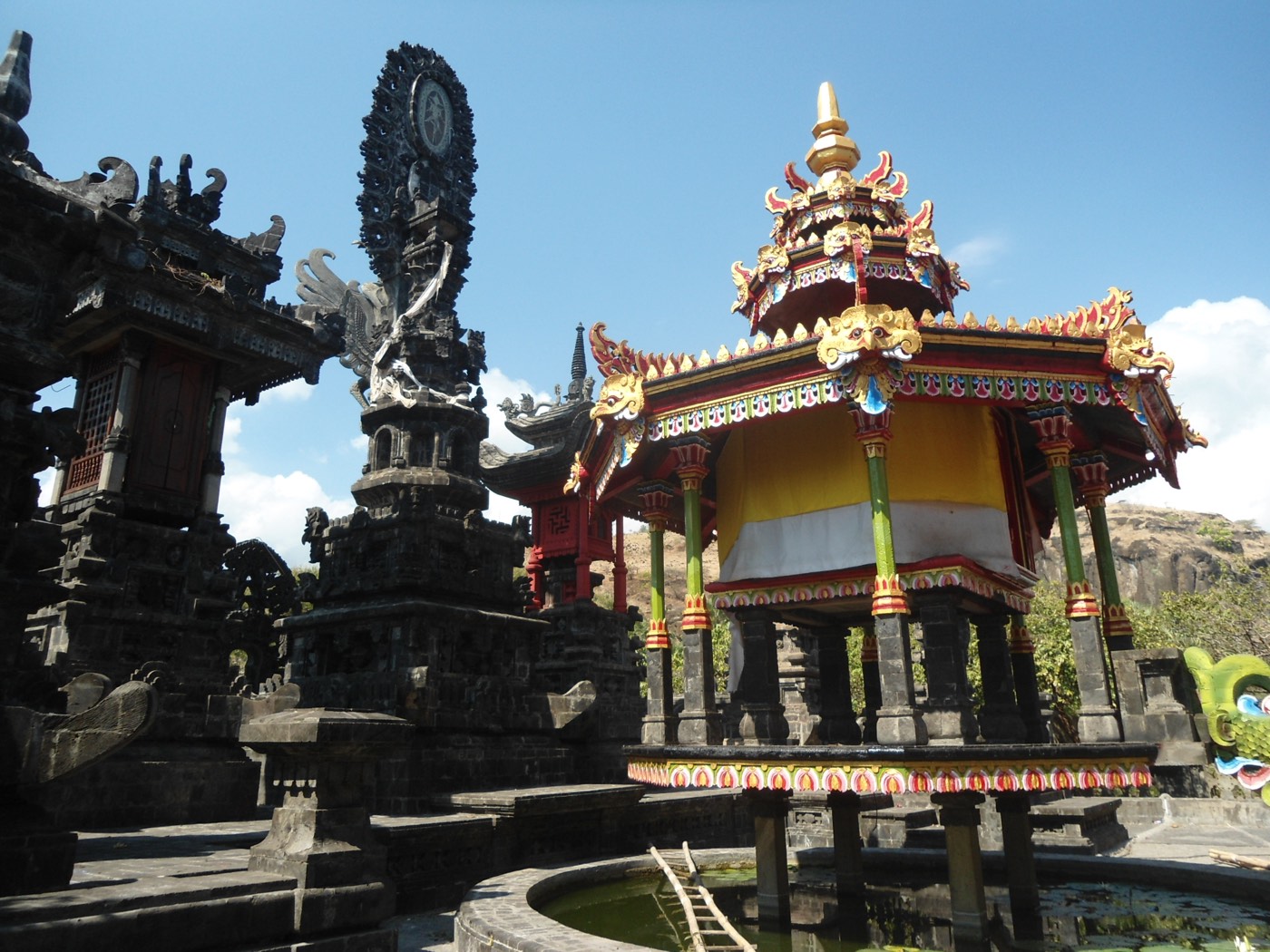
Pura Pulaki sits where the mountains meet the sea.
Its courtyards are built right against a tall black cliff, so the rock itself becomes a wall of the temple. The Bali Sea lies on one side and the cliff rises on the other. The temple looks carved into the headland.
For Balinese it is a place of pilgrimage. For travellers it is one of the most atmospheric stops on the northern coast road, and it rarely feels crowded.
Its Story Follows the Priest Nirartha
The temple is tied to old Balinese history.
Buleleng's culture and tourism office traces its founding story to the journey of the priest Dang Hyang Nirartha. He travelled from Blambangan in east Java to the court of Gelgel, in the reign of Dalem Waturenggong.
The office names Pulaki a Pura Kahyangan Jagat, a temple where Hindus from all over Bali worship.
In local tradition, as Wikipedia records it, macaques from the forest escorted Nirartha to the spot where the temple would stand.
The temple you see today is largely the result of a major restoration, which the office dates to 1984.
Hundreds of Macaques Live Around the Temple
Pura Pulaki is a monkey temple. The regency's own page counts hundreds of monkeys living around it, and they are bold.
They will take sunglasses off your head, snatch a phone or grab anything that looks like food. That is a reason to come prepared, and no reason to skip the temple.
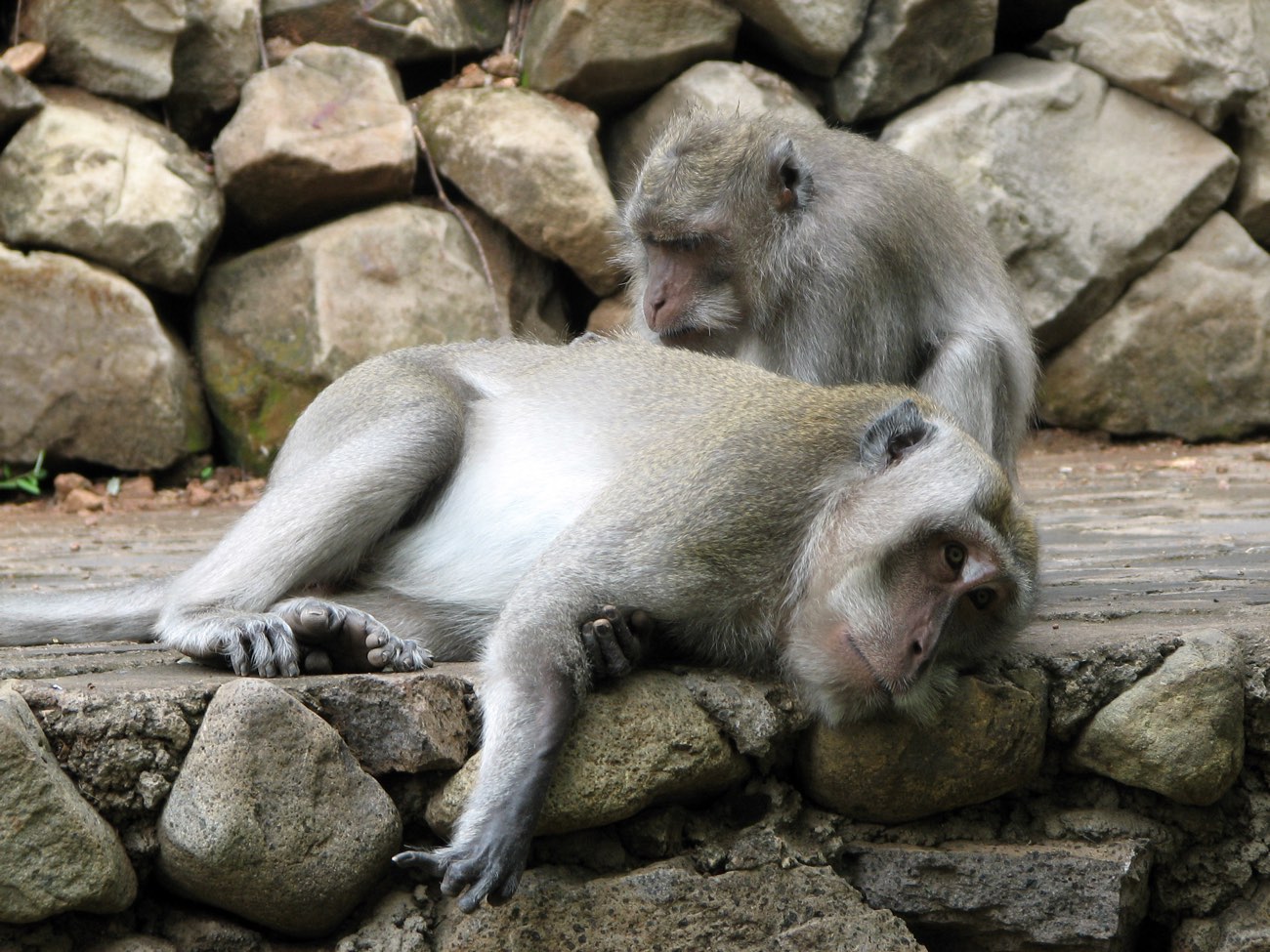 Macaques grooming on the Pura Pulaki wall. Photo: Eric Bajart / Wikimedia Commons (CC BY-SA 3.0)
Four habits keep the visit calm:
- Keep sunglasses and loose items packed away.
- Do not carry visible food or plastic bags.
- Do not try to take things back by hand if a monkey grabs them.
- Keep a calm distance from the animals, and do not engage with them.
The same caution applies at other monkey-frequented sites, covered in the dangerous animals in Bali guide.
Etiquette: Sarong, Sash and a Low Voice
This is an active, important temple, so the usual customs apply, with a little extra care given the setting.
Wear a sarong and sash, and cover your shoulders. Bring your own, since you may not find one at the gate.
Keep your voice low and do not climb on shrines. Follow any direction from temple staff, especially during ceremonies. The full set of customs is in the Bali temple etiquette guide.
When to Go: Morning or Late Afternoon
Morning and late afternoon are best, for the light on the cliff and the sea and for cooler temperatures. Avoid the middle of the day if you can, both for the heat and for the harsher light on the black rock.
The dry season, April to October, makes the coast drive easiest.
Check for ceremony days before you set out. On those days the temple is busier, and parts of it may be open only to worshippers.
Getting There: On the Coast Road West of Singaraja
Pura Pulaki sits right on the main coast road, on the northwest stretch between Lovina and Pemuteran. It needs no detour.
The culture office puts it about 53 kilometres west of Singaraja, on the Singaraja to Gilimanuk road, in the village of Banyupoh. Lovina is about 9 kilometres west of Singaraja, by the office's history of Lovina, so the temple is a little over 40 kilometres on from there. Pemuteran is the neighbouring village.
How to Fit It In: A Stop on the Way to Pemuteran and Menjangan
Most people stop here on the way to or from Pemuteran and Menjangan Island.
Pulaki is also the centre of a family of nearby temples, which the regency lists as its sister temples:
- Pura Melanting
- Pura Kerta Kawat
- Pura Pabean
- Pura Pemuteran
For the wider temple picture, see the best temples in north Bali.
Practical Notes
Rates and details change. Confirm locally before you go.
- Entry: check the arrangement at the gate, and bring small notes
- Dress: sarong, sash and covered shoulders
- Monkeys: bold, so pack away sunglasses, phones and food
- Time to allow: 20 to 30 minutes
- Location: on the coast road between Lovina and Pemuteran, with no detour
- Pair with: Pemuteran, Menjangan and Pura Melanting
- Light: morning or late afternoon for the cliff and sea
FAQ
What is Pura Pulaki?
One of Bali's important sea temples, built against a tall black cliff on the northwest coast between Lovina and Pemuteran. It is known for its dramatic setting and the troops of grey macaques that live around it.
Where is Pura Pulaki?
On the main coast road on the northwest stretch, between Lovina and Pemuteran. It sits directly on the way to Pemuteran and Menjangan.
Why is it called the monkey temple?
Large troops of grey long-tailed macaques live in and around the grounds. They are bold and will grab sunglasses, phones and food, so keep loose items packed away.
Do you need to dress up for Pura Pulaki?
Yes. Wear a sarong and sash with covered shoulders, as at any Balinese temple. Bring your own if you have one, since you may not find one at the gate.
How long do you need at Pura Pulaki?
About 20 to 30 minutes is enough to see the temple and the cliff setting. It works best as a stop on the drive to or from Pemuteran.
Is Pura Pulaki worth visiting?
Yes, for its dramatic cliff setting and because it sits right on the route west. It rarely feels crowded, and it has plenty of atmosphere.
Are the monkeys dangerous?
They are not aggressive if left alone, but they are quick to grab belongings and food. Keep sunglasses and phones away, do not carry visible food, and do not wrestle a monkey for anything it takes. See the dangerous animals guide for more.
Sources
- Buleleng Culture and Tourism Office, Pura Pulaki, read September 2026 (in Indonesian)
- Buleleng Regency Government, Pura Pulaki, read September 2026 (in Indonesian)
- Wikipedia, Pura Pulaki, read September 2026
- Buleleng Culture and Tourism Office, Sejarah Lovina, read October 2026 (in Indonesian)
Next: the best temples in north Bali for the rest of the coast, Pemuteran for the neighbouring village, and Bali temple etiquette before you go.